Australia Pet Import & Biosecurity Regulations
Official Statutory Guidelines (2026 Standards)
Official biosecurity entry protocols for domestic dogs and cats traveling to Australia. Enforces mandatory ISO 11784/11785 microchipping, rabies serology titer tests, authorized veterinary health certificates, and airport border inspection procedures.
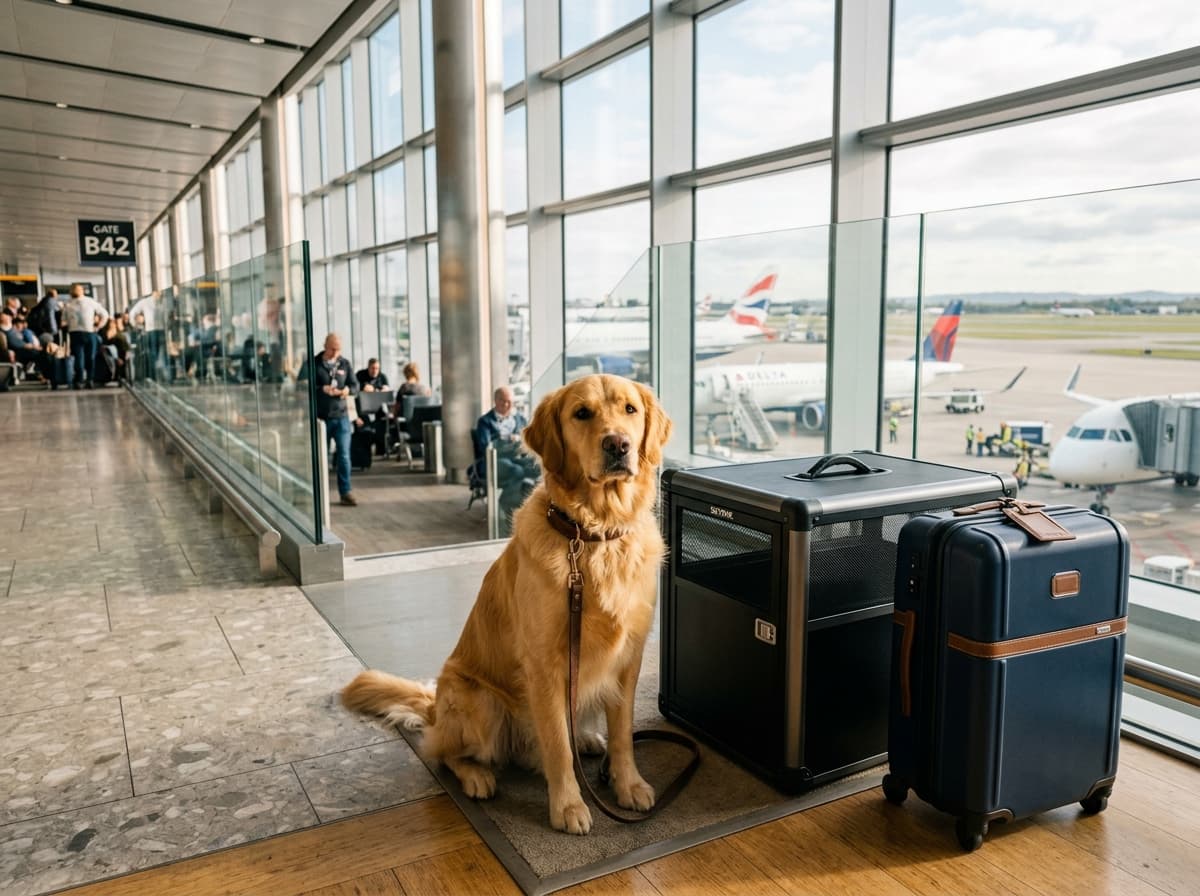
The 4 Pillars of Australia Pet Entry
Every dog or cat imported into Australia is assessed against these 4 statutory requirements under Biosecurity Act 2015 & DAFF Companion Animal Import Policy.
Mandatory RNATT (Group 3 Origins)
Rabies Neutralising Antibody Titre (RNATT) blood test is mandatory for all Group 3 origins (e.g., USA, UK, Canada). Must be tested at a DAFF-recognized laboratory (result ≥ 0.5 IU/mL). A minimum of 180 days must elapse between blood sampling and flight arrival in Australia to qualify for the minimum 10-day post-entry quarantine (PEQ) stay.
10–30 Days Mandatory PEQ (Mickleham)
All companion pets arriving from overseas (except New Zealand Group 1) must land directly at Melbourne Airport (MEL) for bonded transfer to the single Australian national Post-Entry Quarantine (PEQ) facility in Mickleham, Victoria. 10 days for verified 180-day RNATT; 30 days if incomplete or unverified.
7–12 Months Minimum
Microchip scanning + rabies vaccine + RNATT blood draw + 180-day waiting period + DAFF BICON import permit + Mickleham PEQ booking + canine disease panels (Ehrlichia, Brucella, Leishmania, Leptospira) + 2x Praziquantel + manifest cargo booking.
DAFF Biosecurity Import Permit & Veterinary Health Dossier ("Australian Pet Passport")
Australia does not recognize generic pet passport booklets alone. The official "Australian pet passport" dossier consists of a valid DAFF Biosecurity Import Permit issued via BICON, official laboratory RNATT reports, and final government-endorsed Model Health Certificates (e.g. USDA APHIS, UK APHA, CFIA).
Verified Inbound Corridors to Australia
Statutory entry timelines, titer rules, and quarantine mandates from major departure hubs.
Check Rules from Your Origin
United States
United Kingdom
Canada
Singapore
New Zealand
India
Australia Statutory Requirements Checklist
Check off your pet's veterinary records against Department of Agriculture, Fisheries and Forestry (DAFF) rules to spot timing gaps and missing certifications before departure. Your progress is saved locally.
Interactive Entry Readiness Assessment
Mandatory 15-Digit Microchip & Scanning Sequence
Sequence Protocol: Border Inspection: Physical scanning by DAFF biosecurity officers immediately upon airside arrival at Melbourne Airport (MEL).
Mandatory RNATT Rabies Titer Test & 180-Day Waiting Period
Sequence Protocol: Direct Electronic Transmission: The testing laboratory must send the official test report directly to the DAFF Animal Import Operations branch.
Mandatory Companion Animal Import Permit (BICON)
Sequence Protocol: Permit Verification: The DAFF permit number must be referenced on all flight airway bills (AWB) and quarantine bookings.
Mickleham Quarantine Facility Accommodation Mandate
Sequence Protocol: Bonded Airport Transfer: Pets are met airside at MEL by DAFF biosecurity officers and transported via climate-controlled bonded vehicles directly to Mickleham.
C5 Canine & F3 Feline Mandatory Vaccinations
Sequence Protocol: Vaccine Documentation: Original vaccination certificates with vaccine brand, manufacturer, batch/lot number, and expiry date must be presented in the final dossier.
45-Day Pre-Export Blood Testing Panels (Ehrlichia, Brucella, Leishmania, Leptospira)
Sequence Protocol: Laboratory Reports: Testing must be conducted at a DAFF-approved reference laboratory and original reports attached to the export certificate.
Parasite Treatment Protocol (Continuous Acaricide & 2x Praziquantel)
Sequence Protocol: Veterinary Certification: The veterinarian must personally administer or verify treatments and document product trade name, active ingredient, dosage, and exact date/time.
Government Endorsed Export Certificate & IATA Manifest Cargo Transit
Sequence Protocol: Original Travel Dossier: The full physical dossier—including endorsed certificate, import permit, RNATT declaration, and lab reports—must travel in an envelope securely affixed to the crate.
Entry Ports & Breed Restrictions
Designated international entry airports equipped with veterinary inspection posts, plus statutory breed bans enforced under Biosecurity Act 2015 & DAFF Companion Animal Import Policy.
Approved Ports of Entry
Authorized Border Inspection Posts (BIPs)All pets entering Australia must arrive at a designated international border post with on-site veterinary inspection:
Restricted & Prohibited Breeds
Sovereign import prohibitions & hybrid rulesUnder biosecurity regulations in Australia, importing the following breeds, their direct crosses, and wild feline hybrids is prohibited:
DAFF Cat Import Regulations & Australian Cat Passport Dossier
Statutory DAFF guidelines for importing cats into Australia. Cats entering from Group 2 (rabies-free) or Group 3 (rabies-controlled) countries require an ISO microchip, valid F3 vaccines, RNATT titer test (Group 3), advance BICON import permit, internal/external parasite elimination, and a confirmed 10 to 30-day quarantine stay at Mickleham. Cats do not require canine vector-borne disease blood panels (Ehrlichia/Brucella/Leishmania), but are subject to strict hybrid breed restrictions.
Veterinary Health Protocols
Core requirements for feline entry
ISO 11784/11785 Microchip Standard
Mandatory 15-digit ISO 11784/11785 microchip that must be scanned prior to every veterinary inspection, rabies vaccination, and blood draw.
FVRCP & Rabies Immunization
Cats from Group 3 countries (e.g., USA, UK, Canada) require an RNATT rabies titer test (≥ 0.5 IU/mL) with a 180-day post-draw latency clock. Group 2 cats (e.g., New Zealand, Singapore Group 2 status) are exempt from rabies vaccination.
Quarantine & Direct Release Assessment
Minimum 10 to 30 days mandatory post-entry quarantine (PEQ) at the Mickleham Quarantine Facility in Melbourne (MEL). Cats cannot be quarantined at home.
Official Health Certificate & Import Licences
Official DAFF model veterinary certificate endorsed by exporting sovereign authority (e.g. USDA APHIS, CFIA, DEFRA) accompanied by the approved DAFF Biosecurity Import Permit.
Pre-Travel Checklist
Prohibited Hybrid Breeds (Bengal & Savannah)
Domestic cat crosses with wild species (including Savannah cats F1–F4, Bengal cats F1–F4, Safari cats, and Chausie cats) are strictly prohibited from entering Australia under the Environment Protection and Biodiversity Conservation Act 1999 (EPBC Act). Bengal cats must be certified 5th generation (F5) or higher.
Recommended Pet Travel Guides for Australia
FAVN Rabies Titer Test Guide (2026)
Understand the ≥ 0.50 IU/mL antibody threshold, approved international laboratories (KSU, Auburn, ANSES), and post-draw waiting clocks enforced by Department of Agriculture, Fisheries and Forestry (DAFF).
USDA APHIS VEHCS Endorsement Guide
How to obtain sovereign veterinary endorsement for international health certificates within the mandatory 10-day pre-flight examination window.
IATA-Approved Dog Crate Requirements
Official mathematical sizing formulas (CR-1), mandatory metal nuts and bolts hardware, four-sided ventilation, and dangerous breed CR-82 guidelines.
Frequently Asked Questions: Australia Pet Import
Key biosecurity rules, quarantine exemptions, and veterinary documentation explained.
Need Pet Import Requirements for Other Destinations?
Compare biosecurity protocols, rabies titer rules, and quarantine lead times across 15+ destination guides.
Verify Your Pet's Documents for Australia
Upload your pet's vaccination records, titer reports, and microchip certificates. We check date sequences and mandatory waiting periods against official Department of Agriculture, Fisheries and Forestry (DAFF) rules before your veterinary appointment.